The bar is the one weight nobody writes down. Yet it can be anywhere from 15 lb to 60 lb depending on which one you grab, and that changes every number in your log. Here is how much each common gym bar weighs and how to work out your real total.
Barbell Weights at a Glance
| Bar | Typical weight |
|---|---|
| Men’s Olympic barbell | 20 kg (44 lb) |
| Women’s Olympic barbell | 15 kg (33 lb) |
| Standard US gym bar | 45 lb |
| Standard 1 inch bar (home sets) | 15 to 25 lb |
| Technique or training bar | 15 lb, or 5 to 10 kg |
| EZ curl bar | Roughly 10 to 35 lb |
| Trap bar (hex bar) | Roughly 45 to 60 lb or more |
| Swiss or multi grip bar | Roughly 25 to 45 lb |
| Specialty squat bars | Often 55 to 65 lb |
| Smith machine bar | No standard, check the machine |
Olympic Barbell: 20 kg
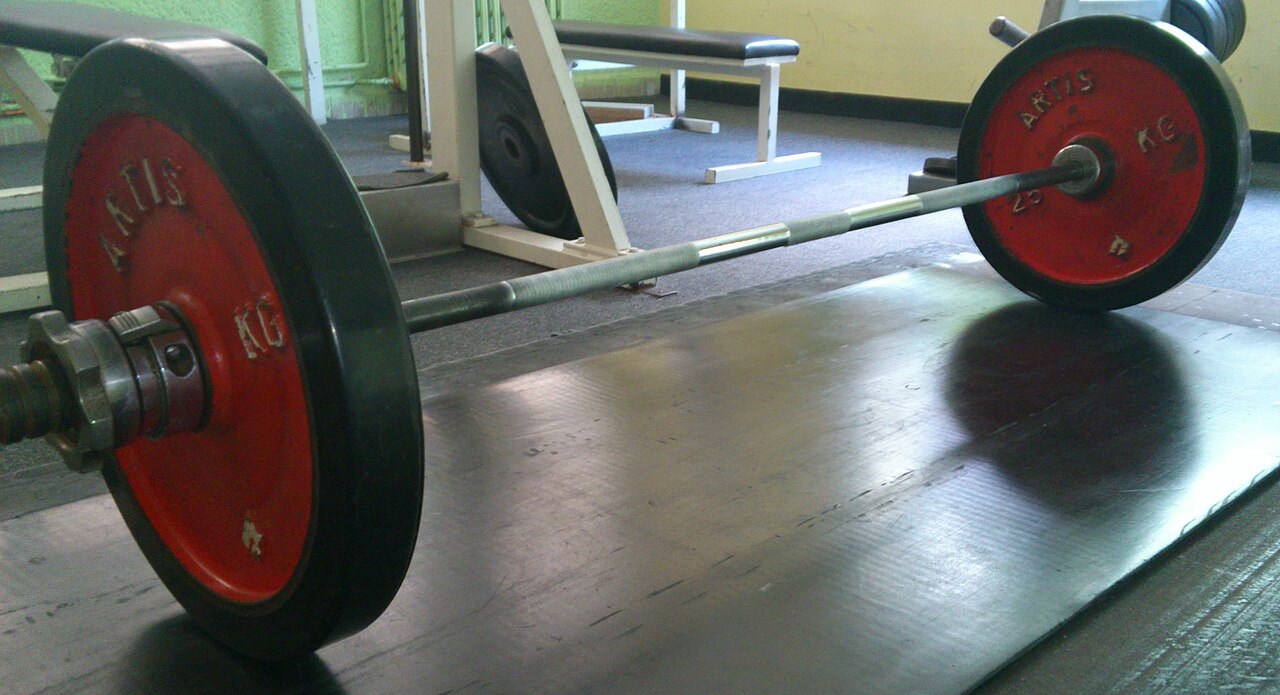
This is the bar you will find on most bench press stations and squat racks. A men’s Olympic bar is 2.2 meters long, has a 28 mm grip and weighs 20 kg. In American gyms it is usually rounded to 45 lb, even though 20 kg is closer to 44 lb. That small gap rarely matters in training, but it is the reason kg and lb totals never line up perfectly.
Women’s Olympic Barbell: 15 kg
The women’s bar is shorter, has a thinner 25 mm grip and weighs 15 kg, or about 33 lb. Lifters with smaller hands often prefer it for presses and Olympic lifts. If your gym has both, look for the thinner grip or the weight printed on the end cap.
Standard and Technique Bars
Cheaper home gym sets use a 1 inch bar instead of the 2 inch Olympic sleeves. These usually weigh between 15 and 25 lb. Technique bars are light aluminum bars for learning movements, often 15 lb or between 5 and 10 kg. Both are fine for beginners, but they bend under heavy loads.
EZ Curl Bar
The zig zag shape of an EZ bar takes strain off the wrists during curls and skull crushers. Weights vary more than any other bar. Light standard versions can be around 10 to 15 lb, while Olympic and rackable versions are often 25 to 35 lb. Many have the weight printed on the sleeve, so check before you log your sets.
Trap Bar (Hex Bar)
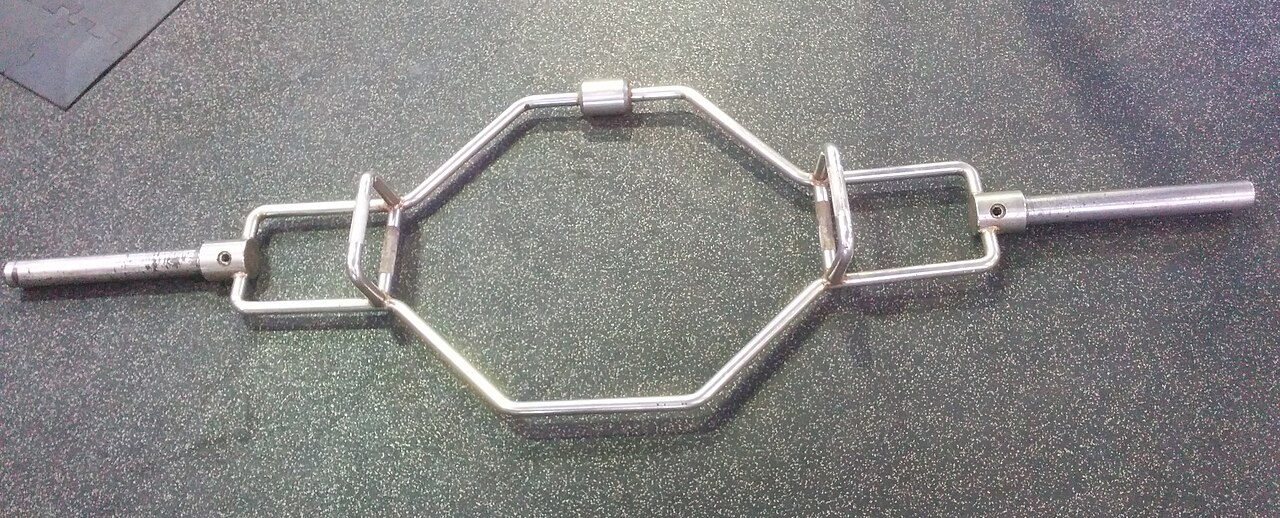
The trap bar lets you stand inside it for deadlifts and shrugs. It is heavier than most bars, usually starting around 45 lb and going past 60 lb for heavy duty models with raised handles. Brands differ, so treat the number on your gym’s bar as the only reliable one.
Smith Machine Bar
There is no standard Smith machine weight. Many commercial machines use a counterweight so the bar feels much lighter than a free barbell, sometimes 15 to 25 lb, while others feel close to a full 45 lb bar. The fixed track also makes the lift easier, so keep your Smith numbers separate from your free weight bench press.
How to Calculate Your Total Bench Press Weight
Once you know the bar, the math is simple:
Total = bar + (plates on one side × 2) + collars
- 45 lb bar + one 45 lb plate per side = 135 lb
- 45 lb bar + two 45 lb plates per side = 225 lb
- 20 kg bar + a 20 kg and a 10 kg plate per side = 80 kg
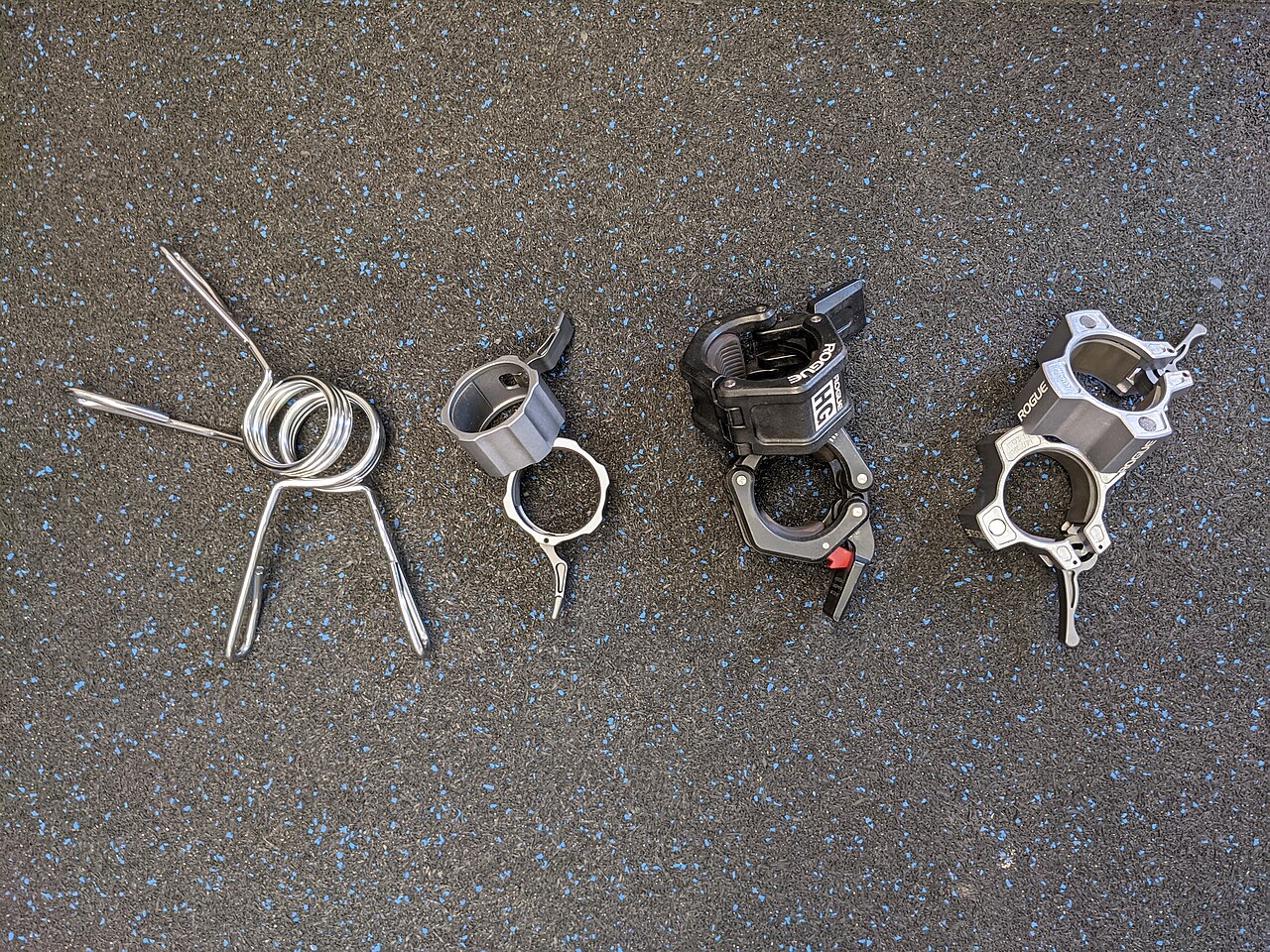
Light spring clips can be ignored. Competition collars weigh 2.5 kg each, so they add 5 kg to the bar.
Skip the mathOur free plate calculator tells you which plates to load for any total, in kg or lb.
FAQ
Is the bar 45 or 44 lb?
A true 20 kg Olympic bar is 44.1 lb. Bars sold in pounds are usually made to 45 lb. Either way, most lifters log it as 45 lb.
Do you count the bar in your bench press?
Yes. Your bench press is always the bar plus the plates. A 135 lb bench means a 45 lb bar and 90 lb of plates.
How do I find out what my gym’s bar weighs?
Check the end cap or sleeve for a stamped number. If there is none, ask the staff or weigh it once on a bathroom scale by standing on the scale holding the bar and subtracting your body weight.
Now that your numbers are right, find out what you can really lift with our bench press calculator.